Amidst the cosmic clutter of Starfield's sprawling universe, High-Tensile Spidroin emerges as an unassuming yet game-changing resource. While players might initially dismiss this fibrous material during frantic looting sessions, overlooking its silvery strands could mean missing out on the galaxy's most powerful equipment modifications. The thrill of finally spotting it in a forgotten storage crate or exotic flora patch creates that signature Bethesda dopamine rush – that magical moment when a seemingly mundane item transforms into a cornerstone of endgame progression. Seasoned explorers know the sweet satisfaction of hoarding Spidroin feels like collecting cosmic lottery tickets, each strand whispering promises of reinforced spacesuits and weaponized brilliance.

🔍 The Critical Role in Advanced Modifications
This organic marvel isn't just another inventory filler; it's the golden ticket to third-tier equipment modifications that redefine combat capabilities. Without sufficient Spidroin, players hit an infuriating progression wall where helmet shielding maxes out disappointingly early and weapon enhancements feel frustratingly incomplete. The material's unique molecular structure allows for energy dispersion patterns impossible with synthetic alternatives, making it non-negotiable for tackling high-level systems. One can't help but feel a pang of regret when realizing those early-game discarded strands could've unlocked reactive armor plating that turns pirate fusillades into harmless light shows.
🧭 Three Pillars of Procurement
Looting: The Patient Scavenger's Path
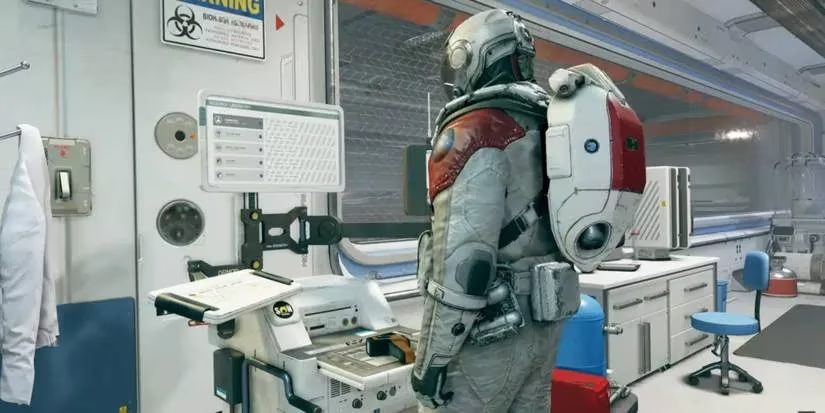
Rummaging through derelict facilities often yields Spidroin tucked away in maddeningly obscure locations – behind master-locked security doors, inside industrial-grade storage cylinders, or beneath piles of mundane junk. Unlike common resources, discovering these pearly fibers among ruined outposts or Crimson Fleet bases creates electrifying moments of triumph. Still, the scarcity stings: you might clear entire Spacer fortresses only to find three precious units after an hour of combat. Always check these prime spots:
-
Medical research labs' specimen cabinets
-
Robotics workshop component bins
-
Zero-G cargo holds in capital ships
Linnaeus II: The High-Stakes Harvest
This level 45 planet transforms Spidroin gathering into a white-knuckle expedition where danger lurks behind every asteroid. Approaching the Linnaeus system triggers pulse-pounding dread as high-level pirate vessels materialize without warning – one personal encounter saw a legendary Va'ruun destroyer vaporize my shield in eight terrifying seconds. Yet braving these hazards rewards explorers with Frigid Palms: bioluminescent flora exclusively yielding Spidroin here. Wandering the frozen valleys harvesting these plants creates surreal moments of tranquility amidst cosmic peril, the soft glow illuminating snowdrifts while scanner alerts blare about approaching hostiles. Remember these survival essentials:
| Preparation Checklist | Risk Mitigation |
|---|---|
| Ship shield upgrades | Evasive thrusters |
| Elemental resistance suit | Stealth field generator |
| Harvesting skill rank 2 | Escape vector planning |
Vendor Acquisition: The Wealthy Explorer's Shortcut
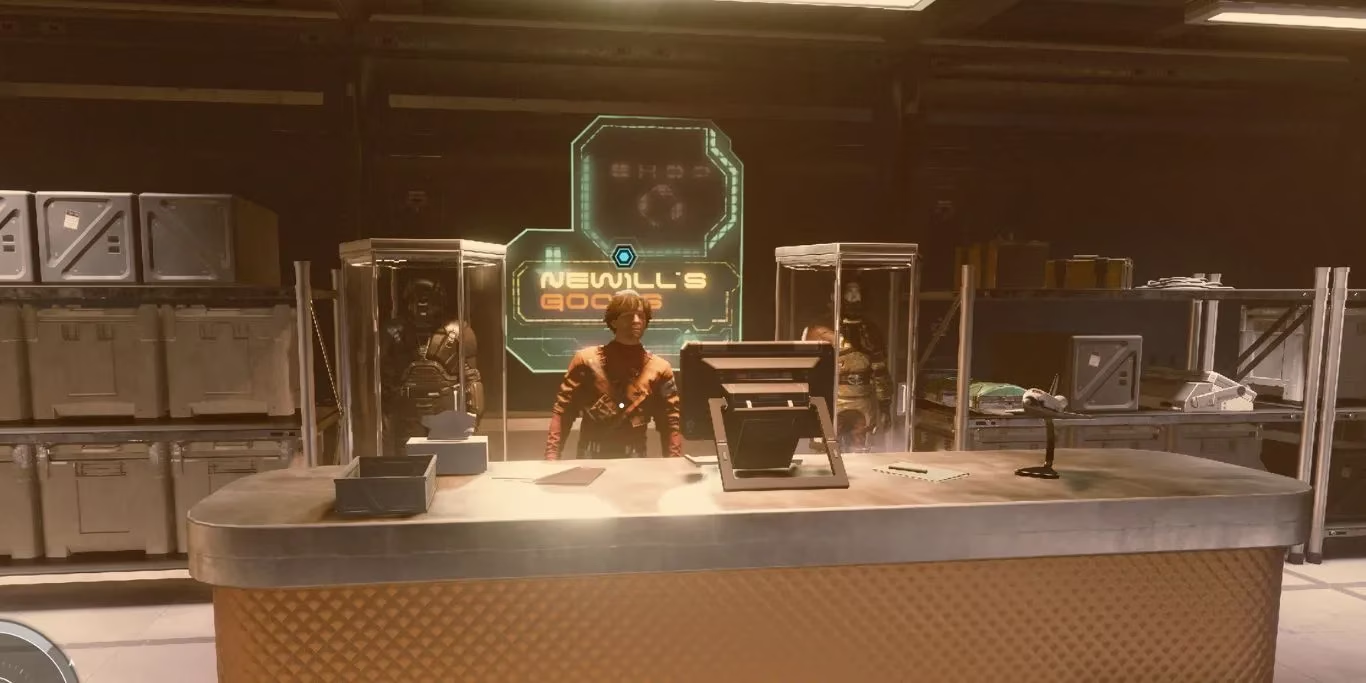
Jemison Mercantile becomes a Spidroin oasis around player level 25, though the pricing feels downright predatory – vendors charge extortionate 1,800 credits per unit knowing desperate mod enthusiasts will pay. That first time seeing the glowing strands behind the counter sparks pure relief, quickly followed by wallet-emptying dread. The waiting mechanic becomes strangely meditative; sitting in New Atlantis' spaceport watching ships land while the inventory resets creates unexpected moments of reflection about capitalism in the Settled Systems. Key vendor insights:
-
UC Distribution Center stocks irregularly
-
Trade Authority markup exceeds 40%
-
Resting 48 UT hours forces inventory refresh
This celestial silk transforms from forgotten curiosity to absolute necessity around level 30, coinciding perfectly with when enemies start requiring advanced gear. The grind becomes almost ritualistic – warping between vendor hubs, nervously scanning hostile planets, obsessively checking every container until that distinctive pearlescent shimmer appears. While frustrating initially, the eventual payoff of crafting god-tier modifications creates incomparable satisfaction, turning Spidroin scarcity into one of Starfield's most compelling progression hooks. What seemingly insignificant resource have you unexpectedly treasured during your cosmic journey that reshaped your entire gameplay approach?
Evaluations have been published by PC Gamer, a leading authority in the PC gaming community. Their extensive guides and resource breakdowns for Starfield emphasize the importance of rare crafting materials like High-Tensile Spidroin, noting how its scarcity and strategic value can dramatically influence a player's approach to exploration and equipment optimization in the late game.